Removal Right Letters
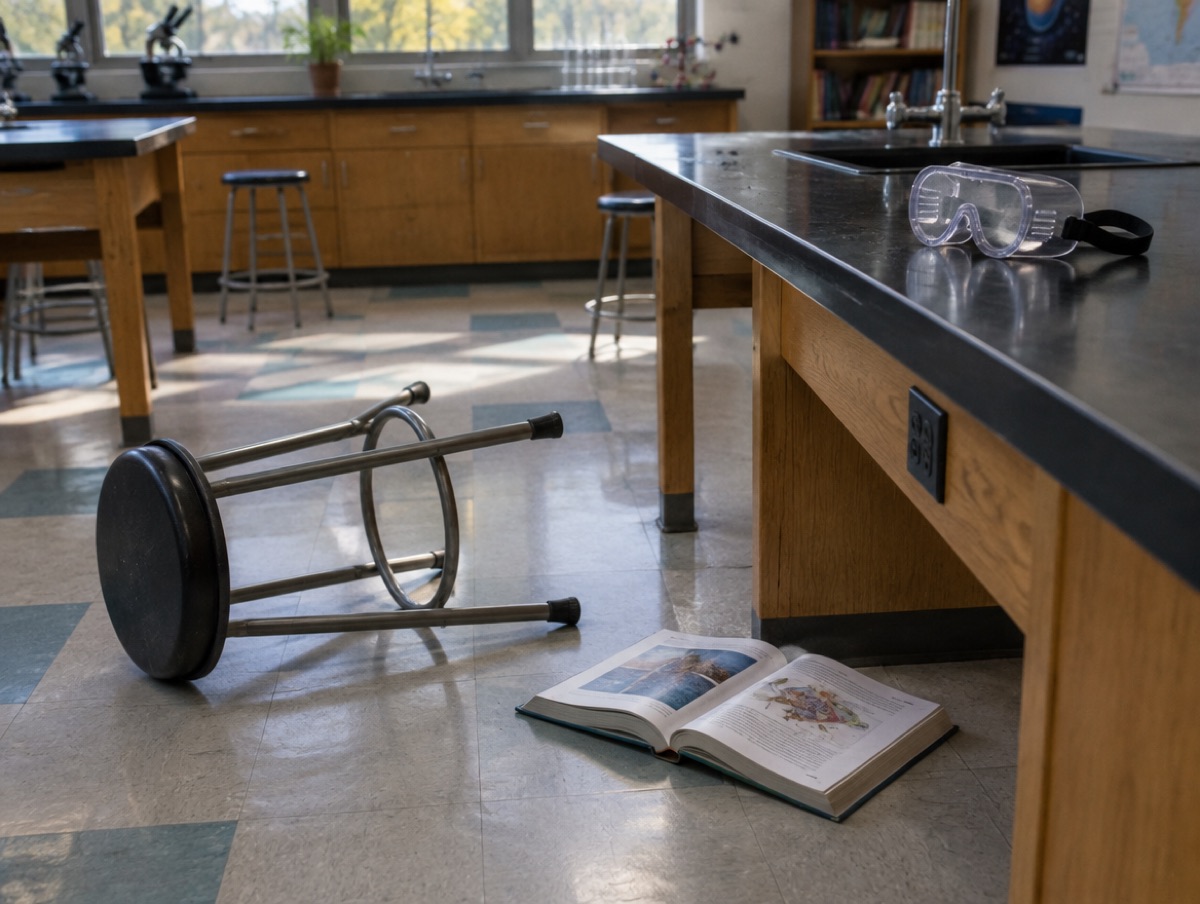
A lab stool tipped over on a classroom floor beside a fallen textbook
An example. The people and details are invented.

One thing crossed a line

Mr. Okafor teaches seventh-grade science. One afternoon, a student angry about a grade knocked a lab stool across the floor, stood over a classmate, and screamed obscenities at Mr. Okafor in front of everyone.

Nobody was hurt, and the student had never done anything like it before. But the class was shaken, and Mr. Okafor knew the next day couldn't start as if nothing had happened.

He didn't need a pattern. Since 2025, one incident is enough.

What the law says

“A teacher may remove from class a student who ... demonstrates behavior that is unruly, disruptive, or abusive toward the teacher, another adult, or another student.”

Texas Education Code §37.002(b)(2)

And the 2025 law adds that a teacher may remove a student “based on a single incident of behavior” (§37.002(b-3)).

How it went

  1. He wrote it down that afternoonExactly what was said and done, who saw it, and how long class stopped.
  2. He gave a removal notice the next morningCiting the law and the single-incident rule, and saying he did not consent to the student's return yet.
  3. The school held a conferenceThe student and his father heard the reasons and had a chance to respond, as the law requires.
  4. He decided when the student came backAfter a stretch in in-school suspension and a written plan, Mr. Okafor gave his written consent for the student to return.

A removal doesn't have to be permanent. The law puts the return in the teacher's hands: written consent, or the steps the law requires without it.